



Nuclear Hormone Receptor 4A/NR4A
Nuclear Hormone Receptor 4A; Nerve Growth Factor IB-like Receptor
Nuclear Hormone Receptor 4A (NR4A) belongs to the nuclear receptor (NR) superfamily and comprises three members: NR4A1 (Nur77), NR4A2 (Nurr1), and NR4A3 (Nor1), all of which are classified as "orphan receptors" (without a clearly defined natural ligand). NR4A plays pivotal roles in various cell types, including proliferation, apoptosis, DNA repair, cellular stress, memory, endocrinology, neuronal signaling, as well as hematopoietic, immune, and metabolic processes. Furthermore, NR4A is implicated in the pathogenesis and progression of numerous diseases, such as obesity, vascular diseases, inflammation, metabolic disorders, and neurodegenerative diseases[1][2][3][4].
References:
- [1]. Wang M, et al. Brain nuclear receptors and cardiovascular function[J]. Cell & Bioscience, 2023, 13(1): 14. [Content Brief]
- [2]. Ye F, et al. Recruitment of the CoREST transcription repressor complexes by Nerve Growth factor IB-like receptor (Nurr1/NR4A2) mediates silencing of HIV in microglial cells[J]. PLoS Pathogens, 2022, 18(7): e1010110. [Content Brief]
- [3]. Yu H, et al. Dual role of NR4A1 in porcine ovarian granulosa cell differentiation and granulosa-lutein cell regression in vitro. Theriogenology. 2023 Mar 1;198:292-304. [Content Brief]
- [4]. Yang Y, et al. The orphan nuclear receptor NR4A1 attenuates oxidative stress-induced β cells apoptosis via up-regulation of glutathione peroxidase 1. Life Sci. 2018 Jun 15;203:225-232. [Content Brief]
Nuclear Hormone Receptor 4A/NR4A Isoform Specific Products
All Product Categories
-
Nuclear Hormone Receptor 4A/NR4A Inhibitors
(3)
View all products
-
Nuclear Hormone Receptor 4A/NR4A Agonists
(31)
View all products
-
Nuclear Hormone Receptor 4A/NR4A Antagonists
(7)
View all products
-
Nuclear Hormone Receptor 4A/NR4A Activators
(7)
View all products
-
Nuclear Hormone Receptor 4A/NR4A Modulators
(7)
View all products
-
Nuclear Hormone Receptor 4A/NR4A Inducer
(1)
View all products
-
Nuclear Hormone Receptor 4A/NR4A Degraders
(2)
View all products
-
Nuclear Hormone Receptor 4A/NR4A Control
(1)
View all products
-
Nuclear Hormone Receptor 4A/NR4A Ligand
(1)
View all products
-
Nuclear Hormone Receptor 4A/NR4A Related Products (70)
Related Products (70)

-
Antibodies (4)
-
Nuclear Hormone Receptor 4A/NR4A Isoform Comparison
-
Celastrol
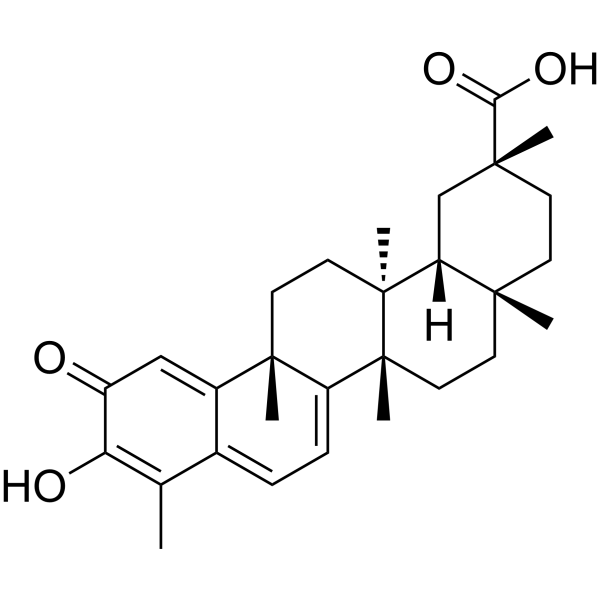 0 ImagesSynonyms: Tripterine; TripterinCelastrol (Tripterine;Tripterin) is a proteasome inhibitor which potently and preferentially inhibits the chymotrypsin-like activity of a purified 20S proteasome with IC50 of 2.5 μM. In addition, Celastrol is also an antibiotic with potent antimicrobial activity against standard and clinical methicillin-resistant Staphylococcus aureus (MRSA) strains, inducing oxidative stress and inhibiting DNA synthesis by binding to P5CDH.
-
Cytosporone B
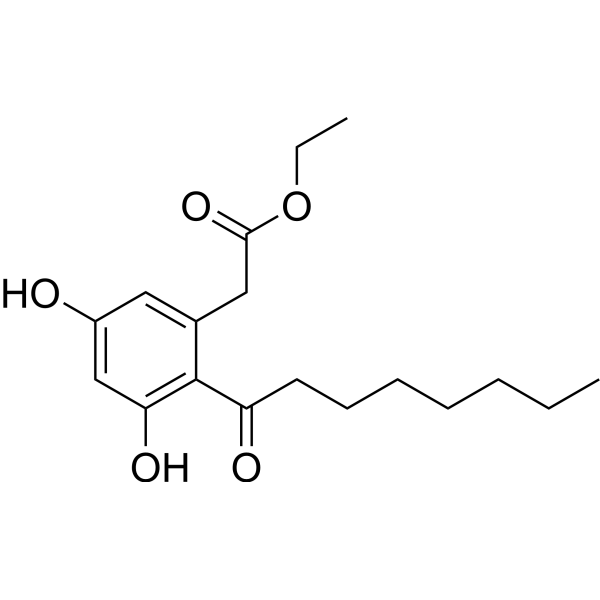 0 ImagesSynonyms: Csn-B; Dothiorelone GCytosporone B (Csn-B; Dothiorelone G) is a naturally occurring nuclear orphan receptor Nur77/NR4A1 agonist with an EC50 of 0.278 nM.
-
Teduglutide
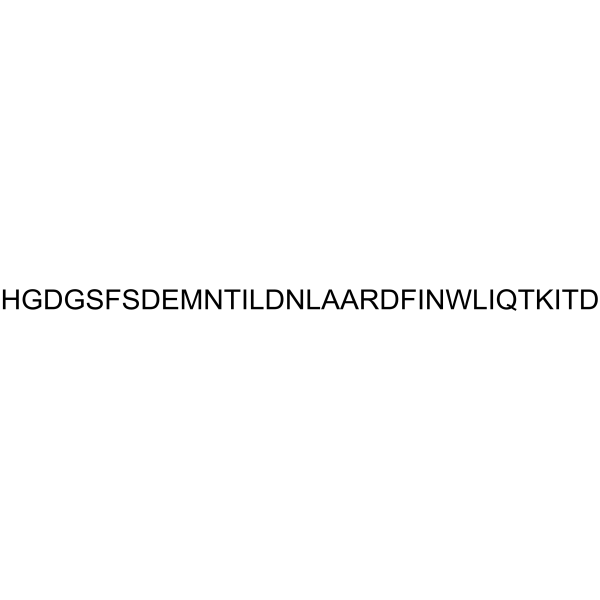 0 ImagesSynonyms: ALX-0600Teduglutide (ALX-0600) is an analog of human glucagon like peptide-2 (GLP-2). Teduglutide can activate the expression of nuclear receptor subfamily 4 group a member 1 (NR4a1)/nur77 and intestinal FXR signaling in human hepatic stellate cells, thereby improving liver inflammation and fibrosis in mice with sclerosing cholangitis. Teduglutide can alleviate intestinal dysfunction in mice, improve lung injury, alleviate obesity related neuroinflammation and cell apoptosis.
-
Amodiaquine
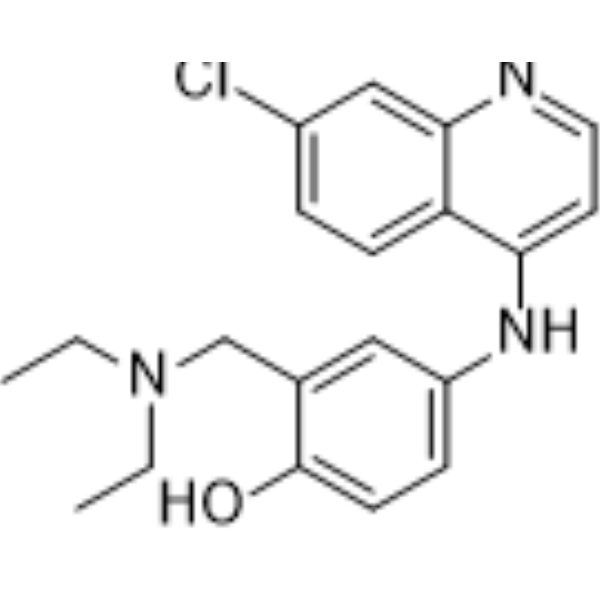 0 ImagesAmodiaquine (Amodiaquin), a 4-aminoquinoline class of antimalarial agent, is a potent and orally active histamine N-methyltransferase inhibitor. Amodiaquine is also a Nurr1 agonist and specifically binds to Nurr1-LBD (ligand binding domain) with an EC50 of ~20 μM. Anti-inflammatory effect.
-
4A7C-301
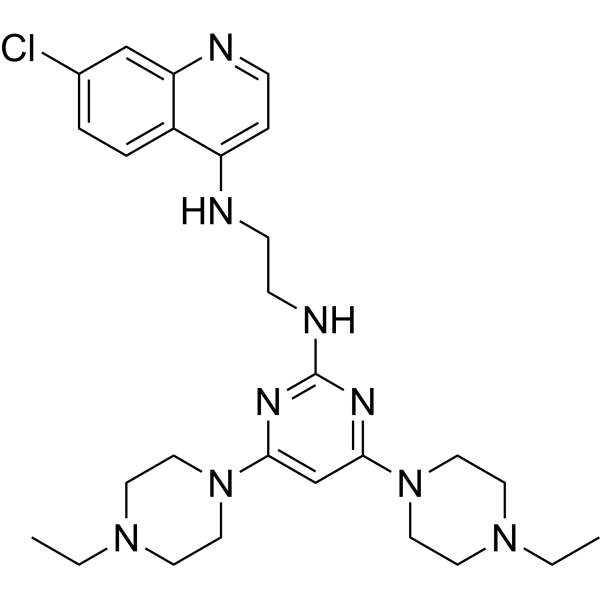 0 Images4A7C-301 is a blood-brain barrier-permeable Nurr1 agonist, with IC50 values of 48.22 nM and 107.71 nM for binding to Nurr1-LBD in the [3H]-CQ competition assay and TR-FRET assay, respectively. The EC50 of 4A7C-301 for activating Nurr1 transcriptional activity is 6.53 μM, and its EC50 in N27-A dopaminergic cells is approximately 0.2 μM. 4A7C-301 binds directly to Nurr1-LBD, enhances the transcriptional function of Nurr1, and restores the reduction of Nurr1 protein induced by MPP+ or αSyn. 4A7C-301 alleviates oxidative stress and mitochondrial dysfunction, protects midbrain dopaminergic neurons, inhibits microglial activation, and restores impaired autophagic flux. 4A7C-301 can be used in studies related to neuroprotection and Parkinson's disease.
-
XCT0135908
 0 ImagesCat. No.: HY-119612CAS No.: 300837-31-4Synonyms: XCTXCT0135908 (XCT) is a selective Nurr1-RXRα activator with an EC50 value of 0.3 μM in human dopaminergic SH-SY5Y cells. XCT0135908 protects dopaminergic cells against the Parkinson’s disease-related toxin MPP+. XCT0135908 can be used for the research of Parkinson’s disease.
-
Nur77 modulator 5
 0 ImagesCat. No.: HY-183274CAS No.: 3068830-45-2Nur77 modulator 5 is a Nur77 modulator. Nur77 modulator 5 induces lysosomal dysfunction, impaired autophagic flux, and apoptosis with increased PARP cleavage, TUNEL positivity, and Annexin V/PI staining. Nur77 modulator 5 can be used for the research of gastric cancer.
-
Amodiaquine dihydrochloride dihydrate
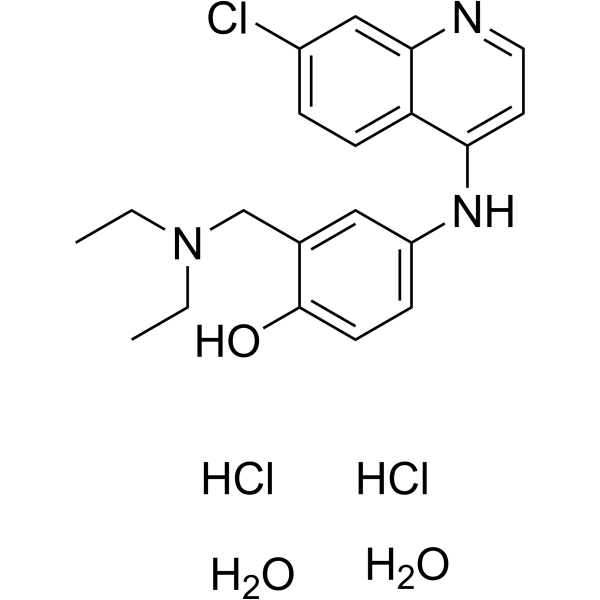 0 ImagesAmodiaquine dihydrochloride dihydrate (Amodiaquin dihydrochloride dihydrate), a 4-aminoquinoline class of antimalarial agent, is a potent and orally active histamine N-methyltransferase inhibitor. Amodiaquine dihydrochloride dihydrate is also a Nurr1 agonist and specifically binds to Nurr1-LBD (ligand binding domain) with an EC50 of ~20 μM. Anti-inflammatory effect.
-
Amodiaquine dihydrochloride
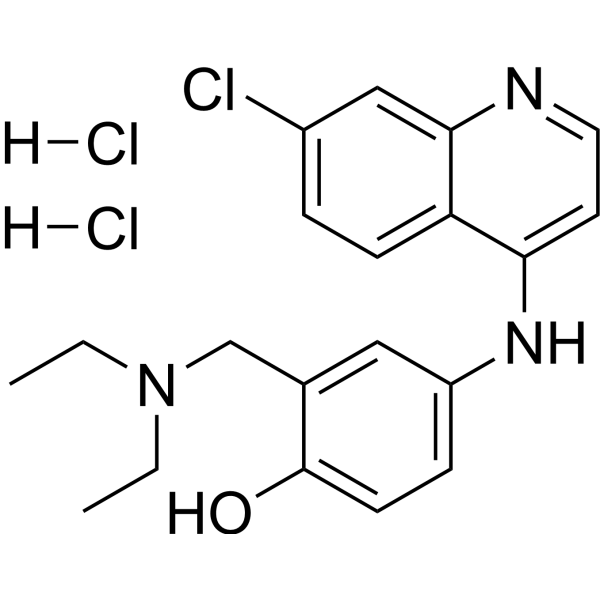 0 ImagesAmodiaquine dihydrochloride (Amodiaquin dihydrochloride), a 4-aminoquinoline class of antimalarial agent, is a potent and orally active histamine N-methyltransferase inhibitor with a Ki of 18.6 nM. Amodiaquine dihydrochloride is also a Nurr1 agonist and specifically binds to Nurr1-LBD (ligand binding domain) with an EC50 of ~20 μM. Anti-inflammatory effect.
-
TMPA
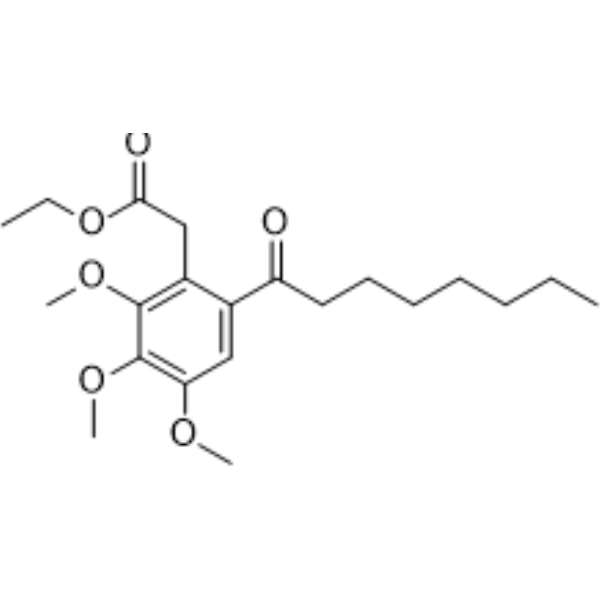 0 ImagesTMPA is a high-affinity Nur77 antagonist that binds to Nur77 leading to the release and shuttling of LKB1 in the cytoplasm to activate AMPKα. TMPA effectively lowers blood glucose and attenuates insulin resistance in type II db/db, high-fat diet and streptozotocin-induced diabetic mice. TMPA reduces RICD (restimulation-induced cell death) in human T cells, can also be used in studies of cancer and T-cell apoptosis dysregulation.
-
C-DIM12
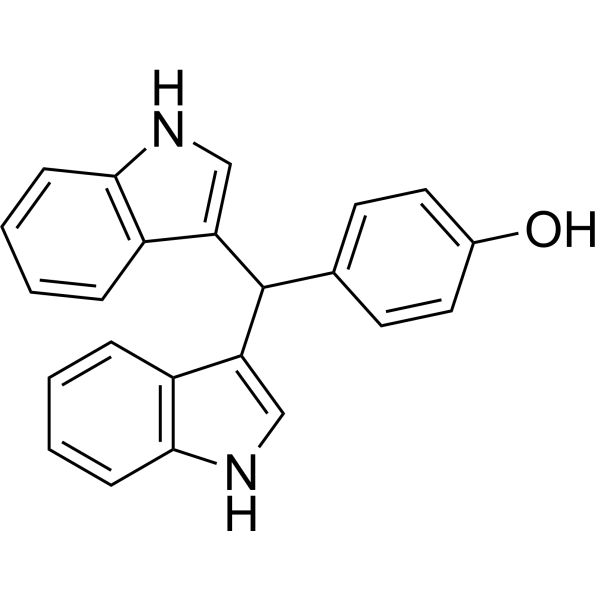
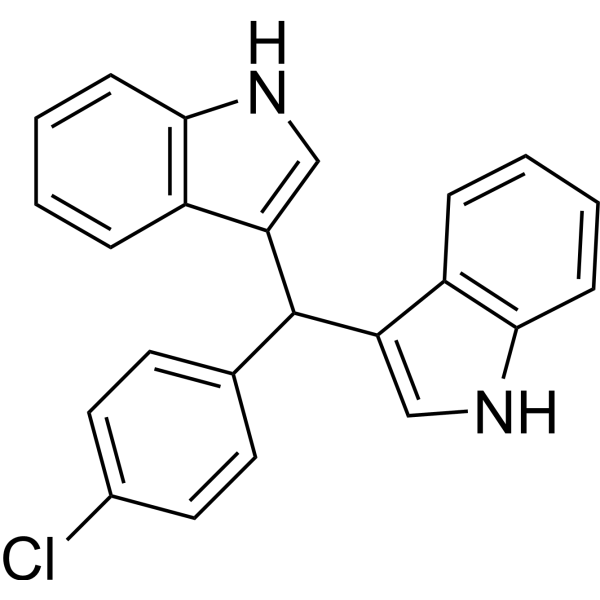 0 ImagesSynonyms: DIM-C-pPhClC-DIM12 is a potent, orally active Nurr1 modulator. C-DIM12 inhibits the tumor growth and autophagy, and induces the cell apoptosis. C-DIM12 has anti-inflammatory and neuroprotective effects, and can be used for cancer and neurological disease study.
-
NR-V04
 0 ImagesNR-V04 is a selective NR4A1 PROTAC degrader. NR-V04 forms a ternary complex with NR4A1 and the VHL E3 ligase, mediates proteasome-dependent degradation of NR4A1. NR-V04 induces tumor-infiltrating B cells and effector memory CD8+ T cells and reduces monocytic myeloid-derived suppressor cells in tumor microenvironments. NR-V04 can be used for the research of melanoma and colon cancer.
-
Glycerol kinase, microorganism
 0 ImagesGlycerol kinase, microorganism (GyK) acts as a NR4A1 inhibitor with enzymatic activity. It directly binds to and inhibits the transcription factor NR4A1, thereby negatively regulating hepatic gluconeogenesis and reducing blood glucose levels. Glycerol kinase, microorganism positively regulates UCP1 expression via partial dependence on the β-adrenergic receptor-cAMP-CREB pathway, promotes browning of white adipose tissue and thermogenesis, and further modulates intracellular fatty acid composition and energy metabolism. In diabetic mouse models, overexpression of Glycerol kinase effectively antagonizes NR4A1-induced hyperglycemia, demonstrating potential for improving glucose homeostasis. Glycerol kinase, microorganism can be used for studies on diabetes and obesity.
-
Triptohypol C
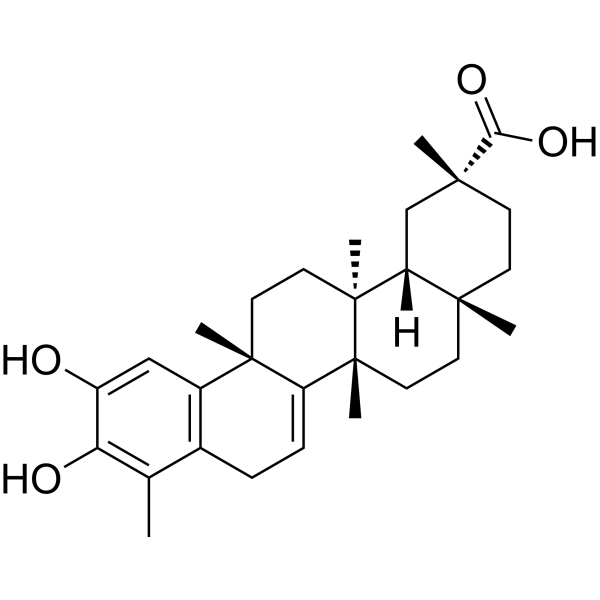 0 ImagesCat. No.: HY-117469CAS No.: 193957-88-9Triptohypol C, a Tripterin (HY-13067) derivative, is a potent Nur77-targeting anti-inflammatory agent with an Kd value of 0.87 μM. Triptohypol C inhibits inflammatory response by promoting the interactions of Nur77 with TRAF2 and p62/SQSTM1.
-
IP7e
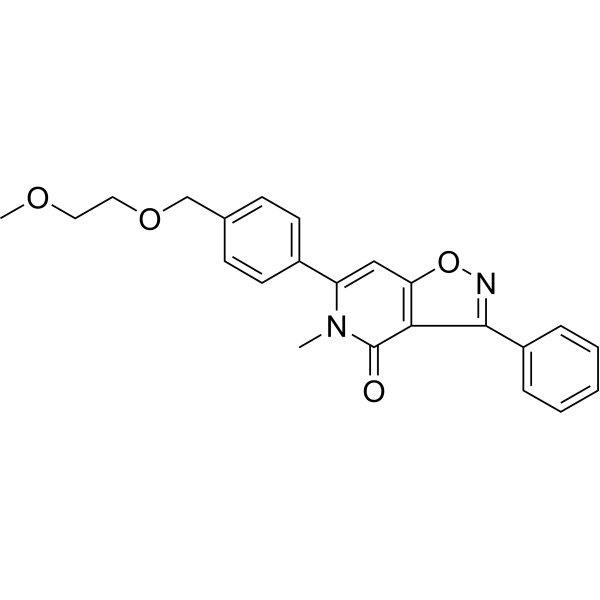 0 ImagesIP7e is a potent, brain-penetrant and orally active Nurr1 activator with an EC50 value of 3.9 nM.
-
DIM-C-pPhCO2Me
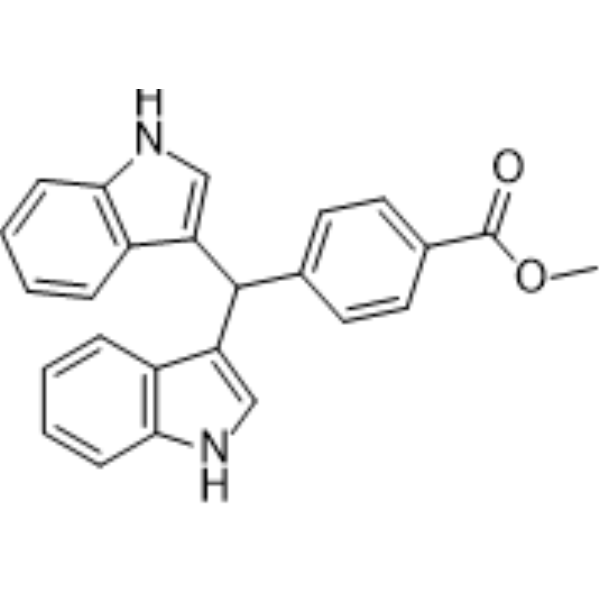 0 ImagesDIM-C-pPhCO2Me is a nuclear receptor 4A1 (NR4A1) antagonist. DIM-C-pPhCO2Me induces Apoptosis. DIM-C-pPhCO2Me decreases PAX3-FOXO1A, N-Myc, Rassf4, MyoD1, Grem1, and DAPK1 proteins. DIM-C-pPhCO2Me decreases expression of TXNDC5 and IDH1, induces markers of ER stress (CHOP, ATF4 and p-PERK). DIM-C-pPhCO2Me inhibits renal cell carcinoma, breast cancer. DIM-C-pPhCO2Me can also be used in rhabdomyosarcoma research.
-
Nurr1 inverse agonist-1
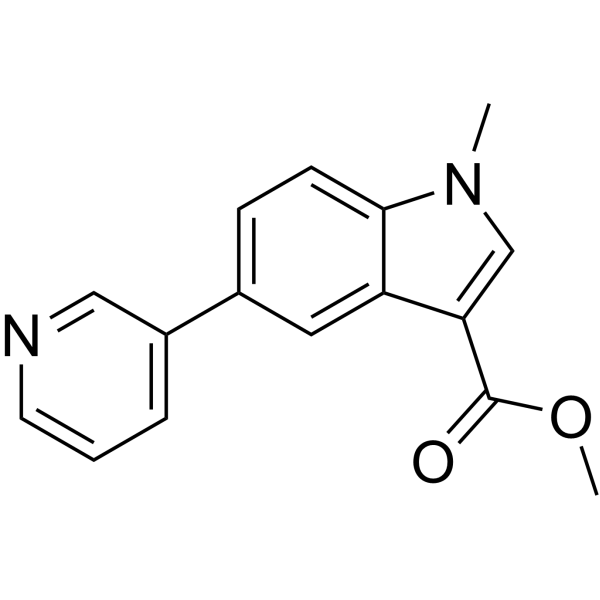 0 ImagesNurr1 inverse agonist-1 is an inverse agonist tool for the neuroprotective transcription factor Nurr1.
-
Nurr1 agonist 2
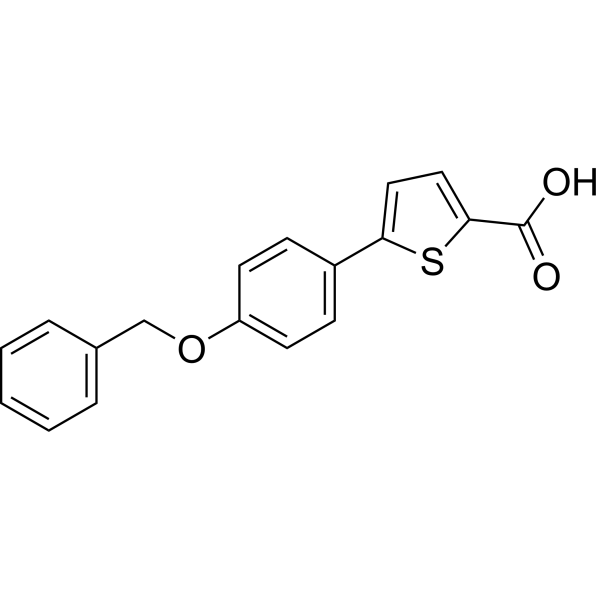 0 ImagesNurr1 agonist 2 (Compound 7) is a Nurr1 agonist (EC50: 0.07 μM). Nurr1 agonist 2 binds to the recombinant Nurr1 ligand binding domain (LBD) with a Kd value of 0.14 μM. Nurr1 agonist 2 increases the Nurr1-regulated genes tyrosine hydroxylase (TH) and vesicular amino acid transporter 2 (VMAT2) mRNA expression.
-
NR4A agonist-1
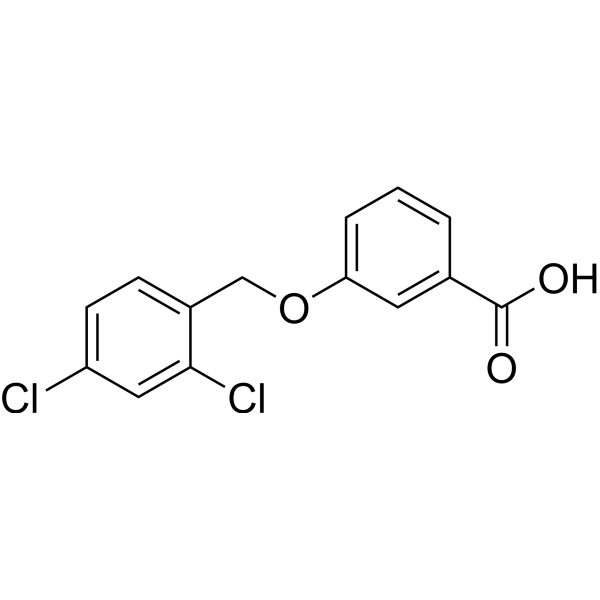 0 ImagesNR4A agonist-1, a fatty acid mimetic (FAM), is a potent NR4A agonist. NR4A agonist-1 exhibits high agonist potency on NR4A receptors Nurr1, Nur77, and NOR-1, with EC50s of 0.09 μM, 0.04 μM, and 0.15 μM, respectively.




